Driveway Excavation, Grading and Site Preparation in Central Kentucky: What to Expect
Maybe you need a gravel driveway where there is only grass today. Maybe the back of your property is too overgrown to use, or water keeps washing across the entrance. You do not need architectural drawings to ask about any of those jobs.
Couples Construction reviews excavation and dirt-work projects across Central Kentucky, from driveway cutting and clearing to grading, drainage and preparing ground for a building. Start with the property location and what you want to accomplish. The next step is understanding the ground and choosing work that solves the actual problem.
Can you cut in a new gravel driveway?
A new driveway is more than stone spread over grass. The route needs a workable entrance, manageable slopes and somewhere for water to go. Soft topsoil or weak ground may need to be removed or addressed before the stone base is built.
The work may include clearing vegetation, shaping the route, preparing the underlying ground, placing suitable stone and compacting it. The needed base and surface depend on the ground and intended traffic. A passenger-car driveway and a lane used by loaded trucks may need different construction.
If the route crosses a drainage path, a culvert or another drainage solution may be needed. Size and placement depend on the crossing; a pipe chosen just because it is inexpensive can create a washout or backup. A new road entrance may also require approval from the road authority. Those are items to establish as the job develops, not documents you must have before contacting us.
Why does the length alone not determine the price?
Two driveways of equal length can involve very different work. One may follow firm, gently sloping ground. The other may need trees and stumps removed, a cut into a hillside, drainage crossings or additional stone over weak ground. Width, turning areas and material deliveries also affect quantities.
Can you clear wooded or overgrown land?
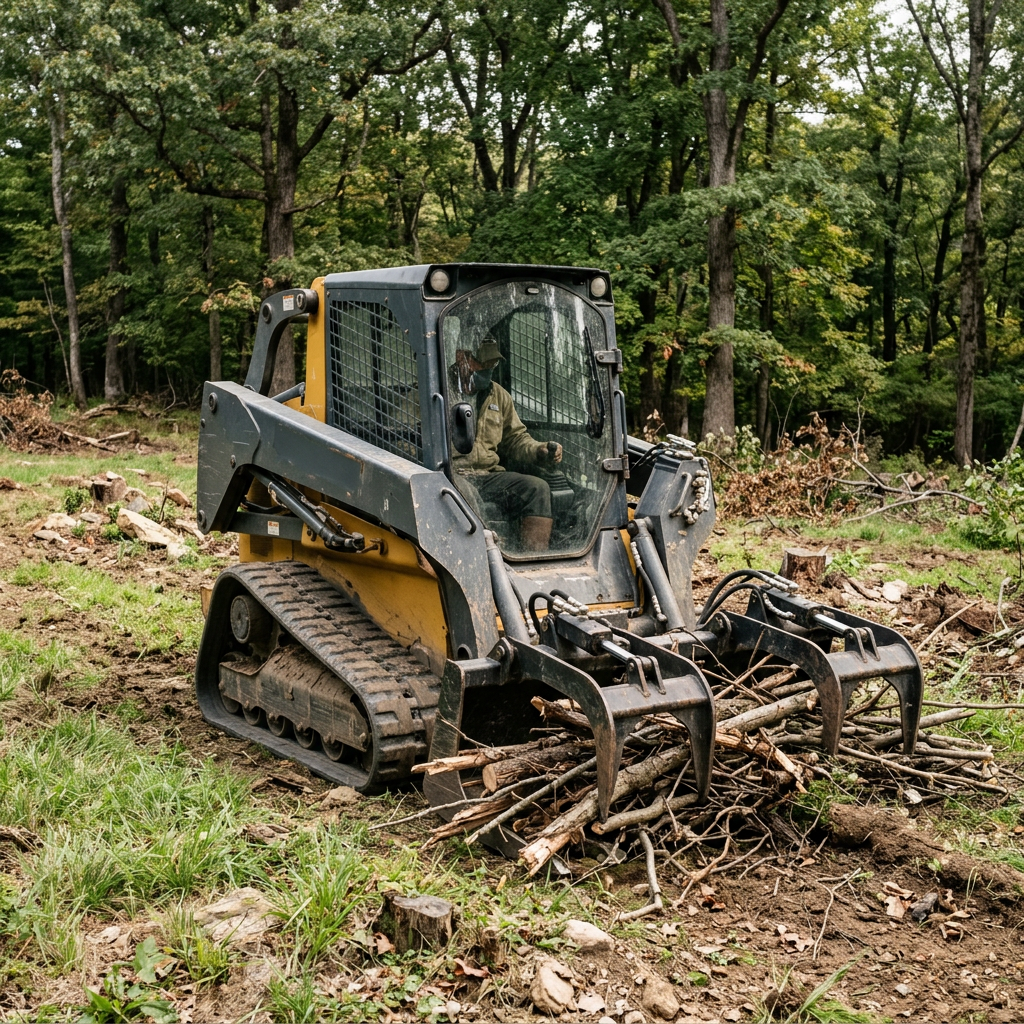
Clearing can open a driveway route, reclaim an overgrown area or make room for a future project. First decide what should stay: a healthy shade tree, a fence line or a natural buffer may be worth protecting. Clearing everything is not always the most useful or economical answer.
Brush, small trees, mature timber and stumps involve different work. Cutting vegetation does not necessarily remove roots or leave ground ready for a driveway or foundation. Discuss whether the goal is easier access, a mowable area or ground that will support construction.
Debris handling matters too. Chipping, on-site handling and hauling have different costs and may not all be suitable for the property. The proposal should explain what happens to the material and what condition the ground will be left in.
Grading and leveling: what result do you need?
“Level this area” can mean creating a flatter lawn, improving a driveway approach or preparing a building area. Those jobs are different. The useful first question is what you want to do with the space once the work is finished.
Grading reshapes the ground, sometimes by cutting high areas and filling low ones. Soil that looks suitable at the surface may not be suitable structural fill. Ground intended to support a building needs the appropriate preparation, placement and any testing required for that project.
Level also does not mean completely flat everywhere. Finished ground usually needs a deliberate path for rainwater. Removing a hump without considering the surrounding slope can move the puddle rather than solve the problem.
What if water keeps washing across the driveway?
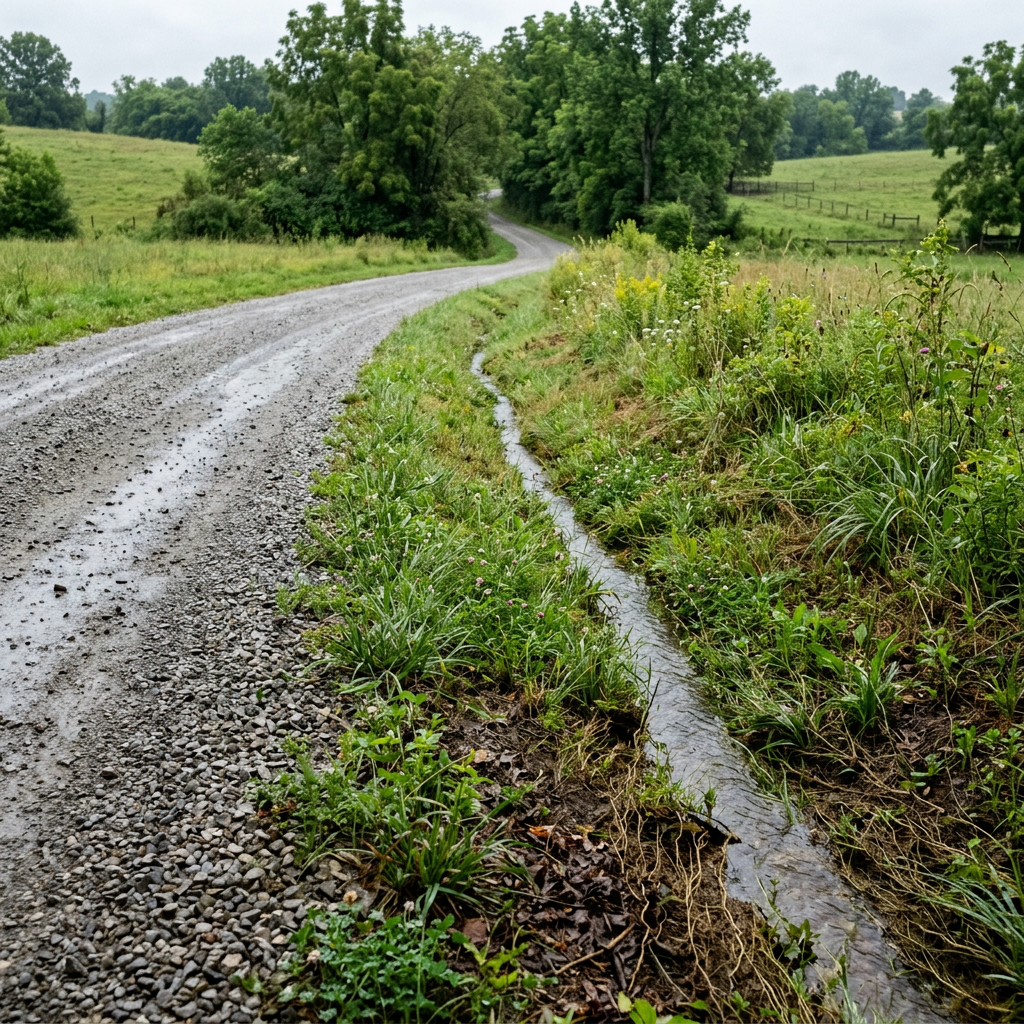
Start by looking at where the water comes from and where it can safely go. Runoff from an uphill area, a blocked crossing or an incorrectly shaped driveway can produce similar-looking problems. Photos taken during rain can be helpful if you can take them safely.
Depending on the site, the answer might involve reshaping a slope, restoring a swale, correcting a culvert or another drainage approach. Simply adding gravel may not fix the cause. A drain also needs an appropriate outlet; it should not send the problem onto a neighboring property.
Watercourse, road-right-of-way and other restrictions may affect the options. Discuss these before construction, while keeping the first inquiry simple: where does the water collect, when does it happen and what has already been tried?
Preparing a building pad or digging a foundation
If you are planning a garage, home or other building, excavation can establish the building area and make room for its foundation. Slope affects how much soil must be cut or filled, whether a retaining solution is needed and how the driveway will meet the building.
You can contact us while the idea is still taking shape. Before foundation excavation proceeds, the building location, foundation details and required elevations need to be established. That later construction requirement does not mean you need finished drawings for the initial conversation.
For land needing an onsite wastewater system, protect the potential septic area before major disturbance. Our septic installation information explains the evaluation and installation sequence. A convenient stockpile or equipment route should not compromise ground needed for the system.
What actually affects excavation prices?
Terrain and quantities: Steeper ground often needs more cutting, filling or handling than a gentle site. The size of the area, driveway width and depth of excavation determine how much material moves.
Soil and rock: Firm soil, wet ground and rock are different working conditions. Rock removal can require additional equipment or time. Hidden conditions may remain uncertain until work starts; a proposal should explain how additional work will be discussed and approved.
Hauling and materials: Keeping suitable material on site differs from hauling it away. Imported fill, stone type, delivery distance and truck access all affect the price. Compare the actual work included, rather than assuming two totals cover the same job.
Access and finish: Gates, tight turns and nearby improvements can limit equipment or truck access. Rough grading, a compacted gravel surface and a seeded lawn are different finishing levels. Agree on the result you want.
What happens after the first conversation?
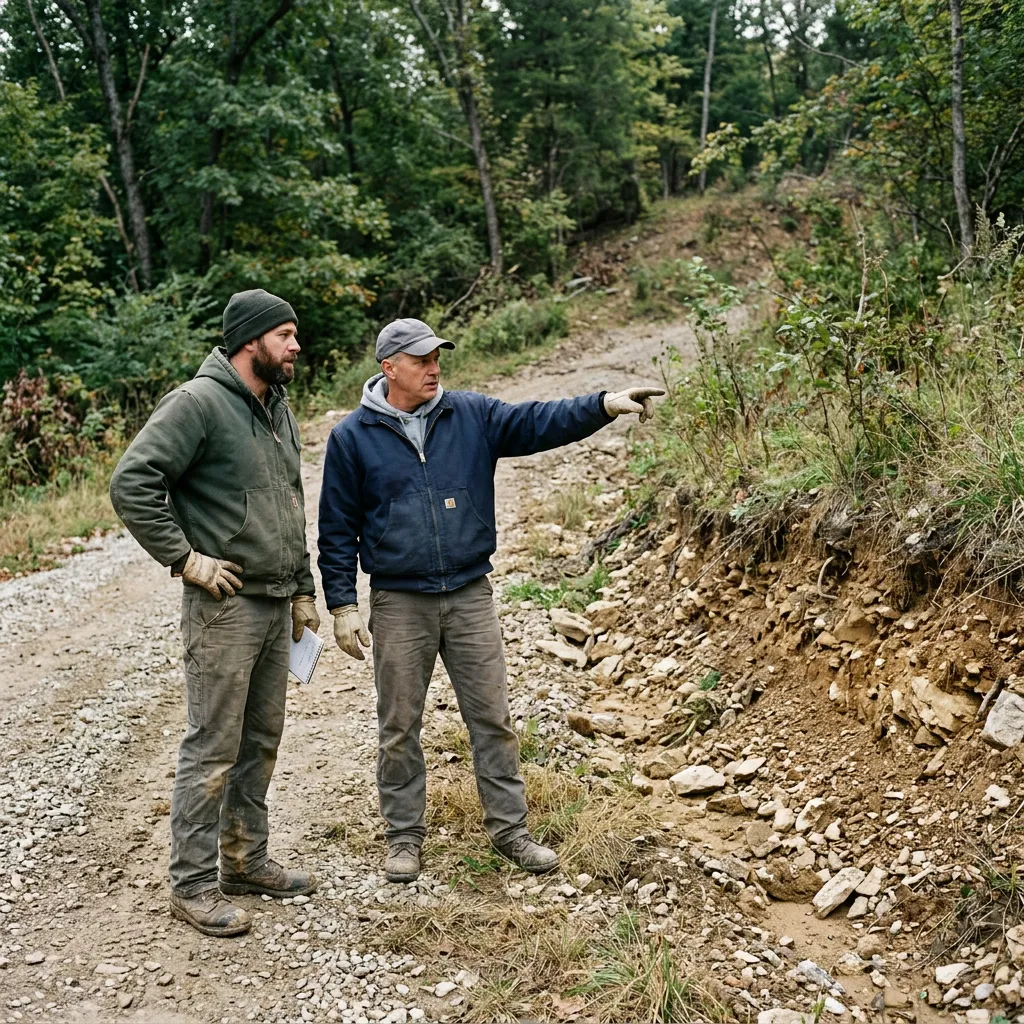
We review the location and desired outcome, then determine whether a site visit or further information is needed. A walk-through helps connect visible conditions with the work being considered. You can show us the route you have in mind or the area causing trouble without knowing the technical solution.
Before excavation, underground utilities must be addressed. Kentucky 811 explains the required advance notice and response process; private lines may need separate locating. Any required entrance, drainage or building approvals must also be resolved before the affected work begins. These are part of preparing a job safely.
Start with the property and the problem
Need a driveway cut in, land cleared, ground graded or help with a drainage issue? Tell Couples Construction about the excavation work you need. Share the property location and a plain description of the goal. Photos help when available; finished house plans are not a requirement to start talking.
We review projects in Harrodsburg, Danville and surrounding Central Kentucky communities according to location, access and the work requested.
Before-digging resource
Kentucky 811's digging process explains notice, utility responses and separate locating for utilities outside its system.
