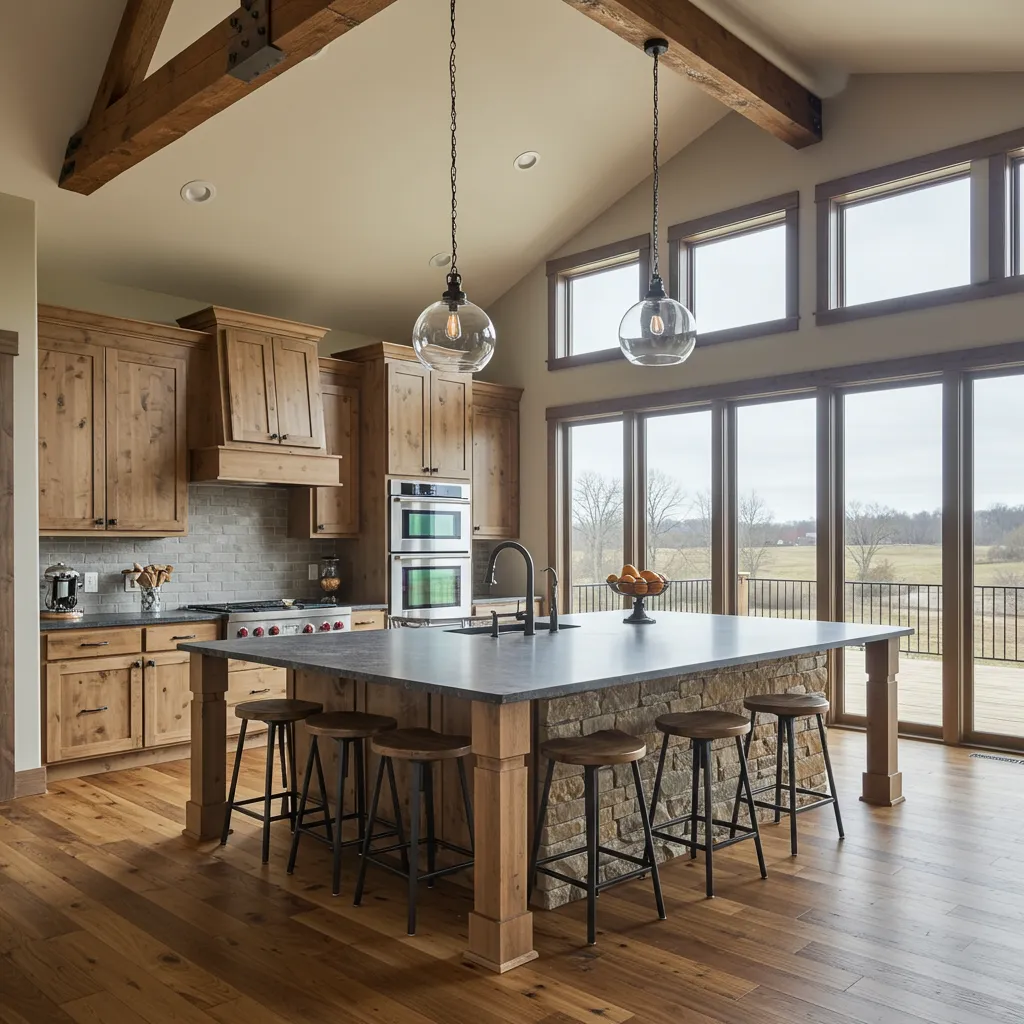
Designing Barndominium Floor Plans in Kentucky: Tips for Everyday Living | Couples Construction
Designing a Barndominium Floor Plan That Works for Everyday Living
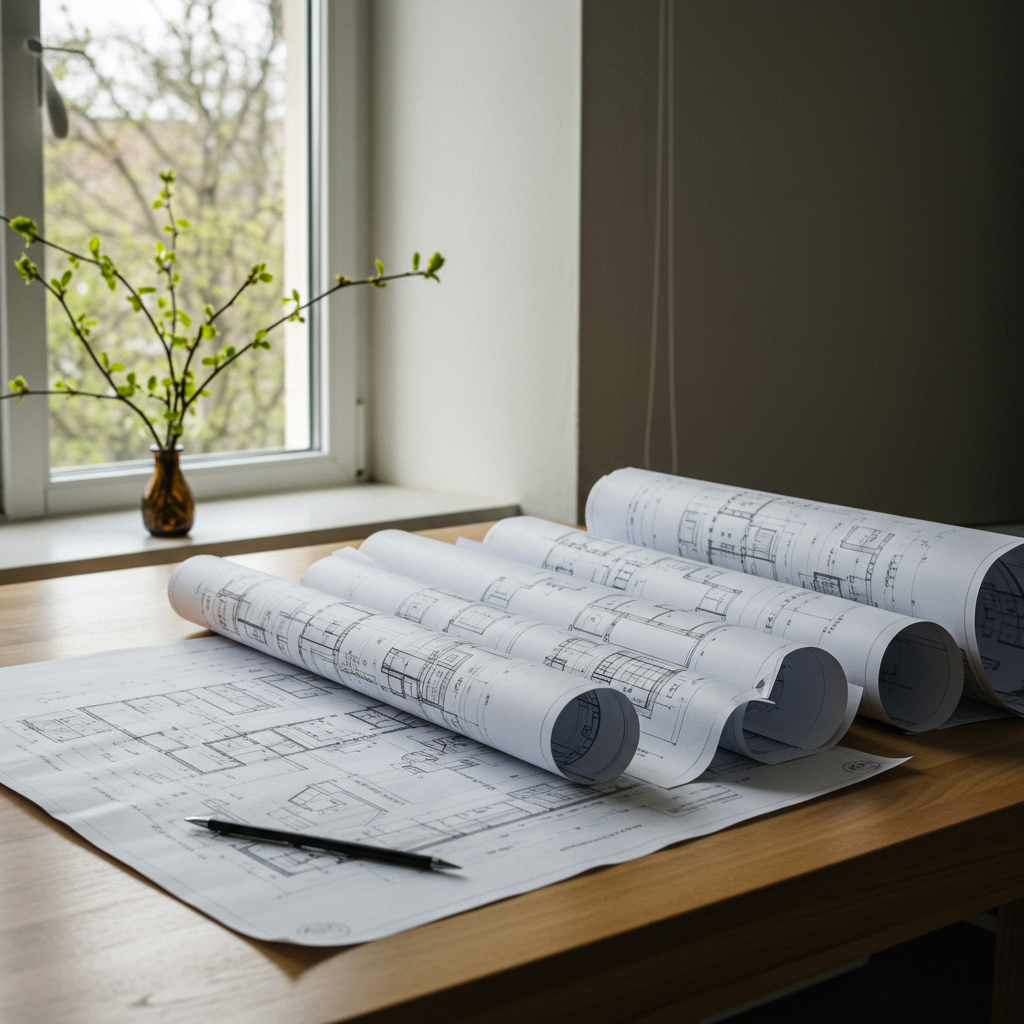
Why Layout Planning Matters More Than Structure
Barndominiums are often associated with large open interiors and flexible spaces. While the structure of a barndominium differs from a traditional home, the floor plan design ultimately determines how comfortable and functional the space feels for daily living.
For homeowners in Central Kentucky considering this type of construction, careful layout planning is essential.
Open Spaces vs Functional Rooms
Many barndominiums feature wide-open interiors, but too much openness can reduce practicality.
Balancing open living areas with defined spaces helps maintain:
Privacy between bedrooms
Quiet work areas
Organized storage zones
Comfortable gathering spaces
Kitchen and Living Areas
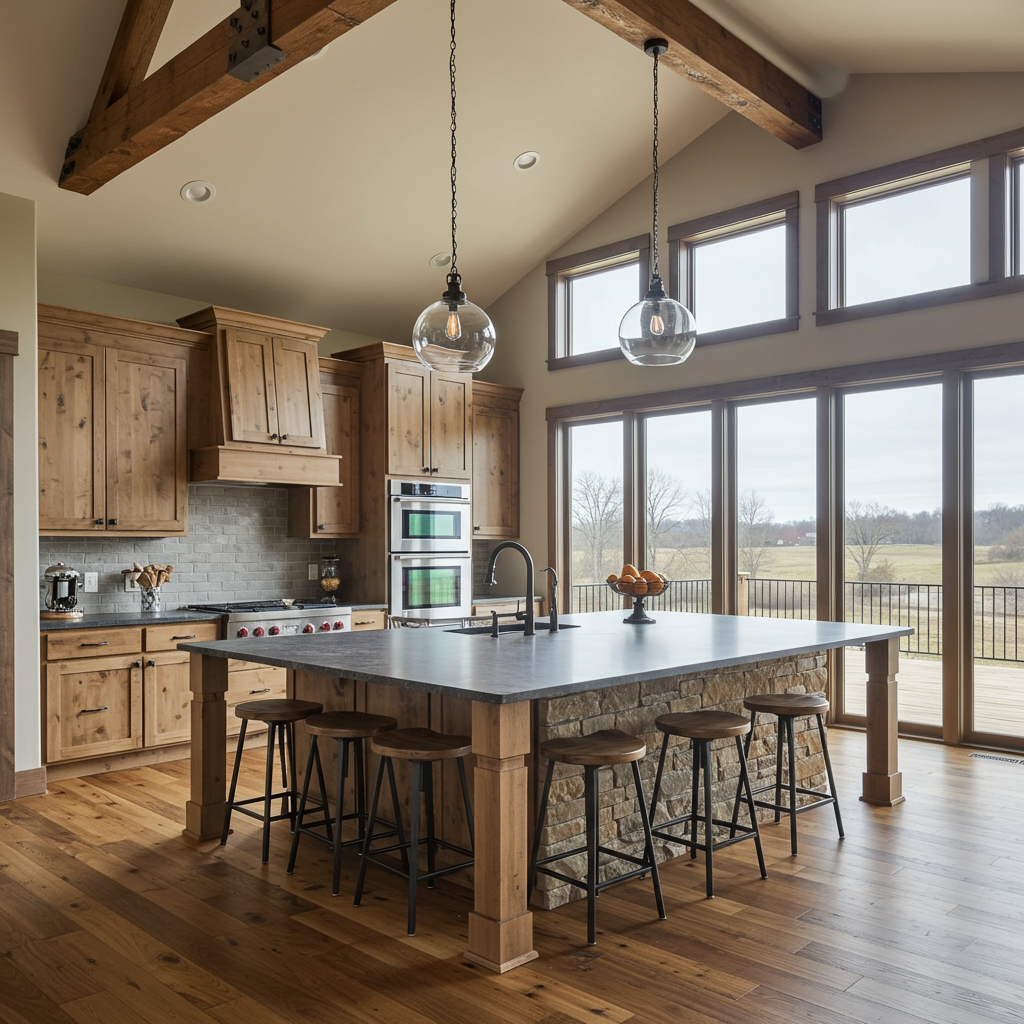
Just like traditional homes, barndominiums benefit from thoughtful kitchen placement and circulation.
Important considerations include:
Traffic flow around the kitchen island
Connection to outdoor living areas
Sightlines between living and dining spaces
Access to pantry and storage areas
Storage and Utility Planning
Large metal structures often prioritize open spans, but homeowners still need practical storage.
Planning for:
Mudrooms
Mechanical rooms
Laundry areas
Closet storage
helps maintain organization in everyday life.
Practical Layout Tips
Avoid placing bedrooms directly off large open living spaces
Plan mechanical rooms carefully
Consider ceiling height transitions
Think about furniture placement during design

Frequently Asked Questions
Do barndominiums have to be open concept?
No. They can include traditional room layouts as well.
Are barndominiums harder to design?
They require thoughtful planning due to structural spans.
Conclusion
The success of a barndominium depends less on its structure and more on the quality of its floor plan. Thoughtful layout decisions create comfortable homes that perform well long term.
